The toilet repair cost depends on the fault, parts, access, urgency, and property type. A small repair may need one common part and little work. A hidden leak, damaged flange, or commercial fixture may take more time. The final cost is confirmed in a written quote after inspection.
A broken toilet can cause stress at home or work. It may leak, waste water, block a restroom, or harm nearby floors. Small faults may also grow into larger plumbing problems when left alone.
This guide explains what shapes a repair quote. It covers safe checks, commercial needs, plumber credentials, and repair choices. Plumber Plymouth MI helps property owners understand their options before work starts.
Table of Contents
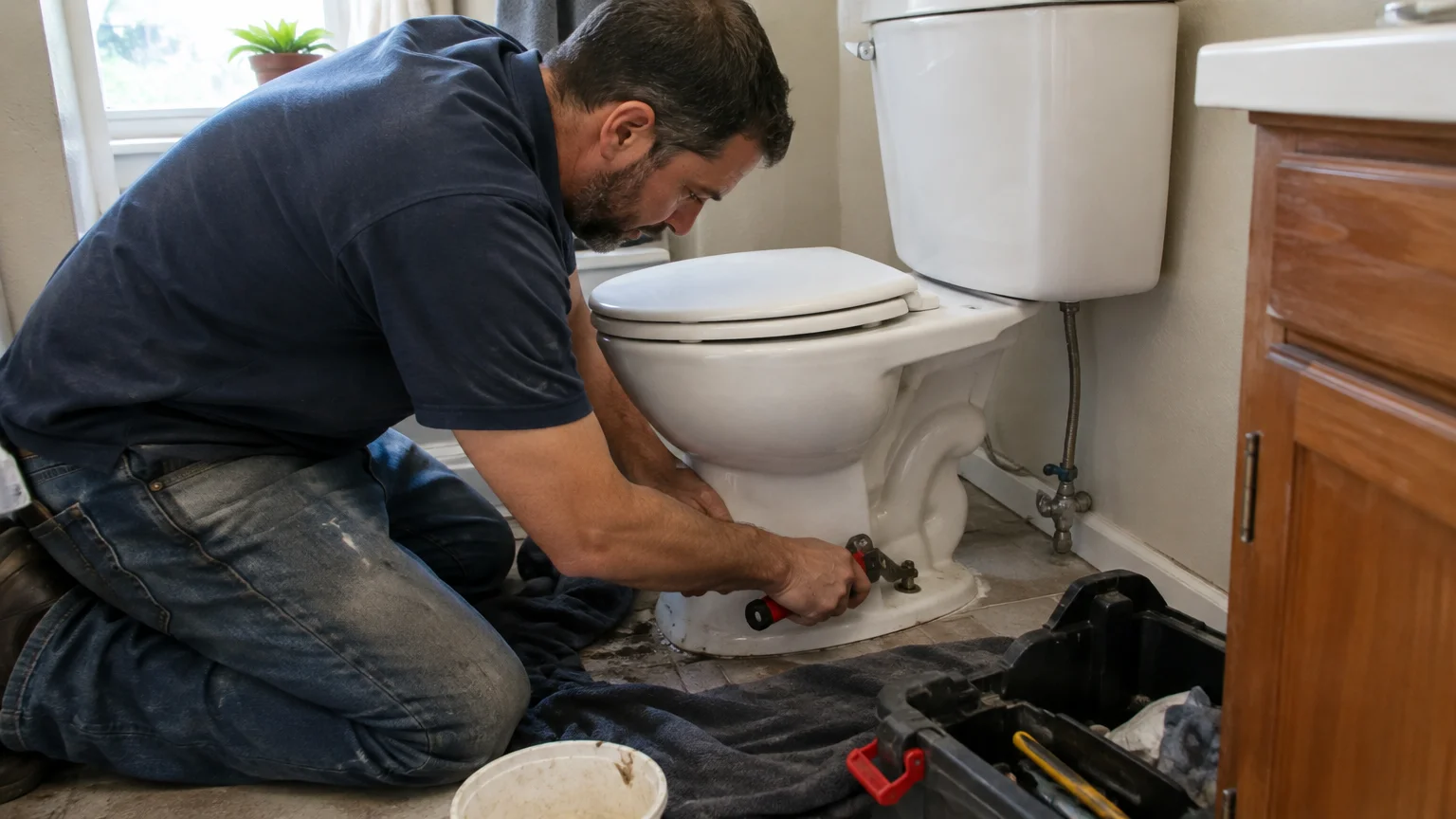
- How much does toilet repair cost?
- What toilet problems usually require professional repair?
- Which factors affect the cost of repairing a toilet?
- Should you repair or replace a commercial toilet?
- What should a toilet repair quote include?
- How can you choose a qualified plumber for toilet repairs?
- Key takeaways for managing toilet repair costs
- Frequently Asked Questions
How much does toilet repair cost?
Toilet repair cost changes from one job to the next. A worn fill valve may be a simple repair. A hidden leak, damaged flange, or broken drain line can need more time and care. Repair costs are often lower for a clear, easy-to-reach fault than for damage under a floor or inside a wall.
The final cost should be confirmed in a written quote after inspection. The quote should name the fault, planned repair, parts, labor, and access work. It should also explain whether damage found later falls outside the first plan.
What determines the final repair cost?
The main factors are the toilet type, failed part, nearby pipes, and access. A toilet in an open bathroom may be easier to service than one in a tight stall. Rusted fittings, water damage, and old repairs may add more work.
Urgency can affect how quickly a plumber schedules the job. A business with a closed restroom may need faster help than a home with a slow-running toilet. Tell the plumber about leaks, overflows, sewer smells, or lost restroom use.
A commercial plumber may also need to protect floors, walls, customers, staff, and nearby fixtures. These steps help limit damage during the repair. They may also let a business keep part of the property open.
How does commercial toilet repair differ from residential work?
Commercial toilet repair often involves heavy use and shared restrooms. A restaurant, office, school, store, or rental property may have many fixtures on one system. One fault can affect many people.
Commercial fixtures may use flush valves, sensors, wall-hung toilets, or strong-use parts. The plumber must choose a part that fits the current system. Work may also need to fit around opening hours and building rules.
Home repairs often affect one toilet and fewer users. Even so, a home repair can involve hidden leaks or damaged flooring. Plumber Plymouth MI can help Plymouth property owners understand the repair details before work begins.
What toilet problems usually require professional repair?
Professional help is wise when a toilet leaks, overflows, rocks at the floor, or will not flush. A plumber should also check repeated clogs, sewer smells, and water near the base. These signs may show a fault beyond the visible fixture.
A homeowner or tenant can make a few safe checks. They can see if the shutoff valve is open, lift the tank lid, and look for a loose chain. They should not remove the toilet, open a wall, or work on a damaged supply line without proper skill.
Which symptoms indicate a minor issue?
A toilet that runs after flushing may have a worn flapper, loose chain, or faulty fill valve. The fill valve controls water entering the tank after a flush. A homeowner may clean the valve area, check the chain, or adjust the float when the maker allows it.
A weak flush may come from a partial clog or low tank water. A suitable plunger can help with a simple blockage. Do not use chemical drain cleaners. They can damage parts and pipes, and they may harm anyone who later opens the toilet.
A homeowner should stop DIY toilet repair if water leaks from the tank, supply line, or floor. Close the main water valve if it is safe. A tenant should report the fault to the property manager at once.
When does a toilet problem signal a larger plumbing fault?
Repeated clogs may point to a blocked branch drain, poor venting, or a deeper sewer issue. Gurgling sounds, slow drains in other fixtures, and sewage smells are useful clues. A plumber can test the system instead of treating the same symptom again.
Water around the base may come from a failed seal, cracked toilet, or loose connection. Damp flooring can spread under tile or wood. Fast action helps protect the subfloor and nearby rooms.
A burst pipe is a separate emergency. Shut off the main water supply if safe, avoid electrical hazards, and contact Emergency Plumbing. Leak detection and work on leaks and burst pipes may be needed when the source is hidden.
Which factors affect the cost of repairing a toilet?
The repair quote reflects the work needed, not only the visible symptom. The plumber may test the fixture, remove damaged parts, protect the area, and check nearby connections. The toilet repair cost can change when the first check finds another fault.
Ask what caused the problem and whether the repair addresses that cause. Replacing a worn part may solve the issue. It may not solve a damaged drain, failed seal, or pipe that moves under the floor.
How do parts, labor, and access affect the quote?
Parts vary by toilet design and quality. A common tank part may be easy to match. Old, commercial, concealed, or special fixtures may need a certain model. The wrong part can cause leaks, weak flushing, or another service visit.
Access also matters. A clear restroom gives the plumber room to work. A crowded stall, wall-mounted tank, locked utility room, or damaged floor can make the repair harder. The quote should explain any preparation or removal needed.
Labor includes inspection, removal, installation, testing, and cleanup. Ask whether testing is included. The plumber should flush the toilet and check every connection before leaving.
Why can commercial properties require more involved repairs?
Commercial properties often have more fixtures, users, and safety rules. A plumber may need to close part of the building, protect public areas, or work with a manager. Restroom access can affect workers, tenants, customers, and guests.
Some buildings use pressure-assisted toilets, sensor flushers, or wall-mounted systems. These parts do not work like common home fixtures. The plumber should know the brand and model before choosing replacements.
A commercial repair may also uncover a wider plumbing issue. Several slow toilets can point to a shared drain problem. A careful inspection helps prevent repeat repairs that treat only one fixture.
Should you repair or replace a commercial toilet?
Repair is practical when the bowl, tank, connections, and nearby floor are sound. Replacement may make more sense when the toilet is cracked, fails often, has hard-to-find parts, or causes ongoing water damage. The best choice depends on condition and expected use.
A plumber should explain both choices when replacement may help. The owner can compare a short-term repair with the lasting use of a new fixture. A written quote should state what each choice includes.
When is repairing the existing toilet practical?
Repair often works well for one failed part. Examples include a fill valve, flapper, flush handle, supply connector, or flush valve. It may also suit a fixture that matches the building system and has no cracks or movement.
A repair can limit disruption because the existing toilet stays in place. This may matter in a small business, rental property, or busy office. The plumber should still check the shutoff valve, connection points, and floor seal.
Repair is less useful when the same toilet has a long fault history. Repeat failures can signal age, poor fit, or a deeper plumbing issue. Ask why the part failed before approving another replacement.
When is replacement the more reliable option?
Replacement may be better when the porcelain is cracked or the toilet cannot seal safely. It may also help when parts are no longer available or the fixture does not suit current use. The plumber should confirm that the new toilet fits the drain, room, and supply connection.
Commercial owners should think about strength and easy maintenance. A strong fixture with common parts may reduce future disruption. The building must also meet local plumbing rules and access needs.
Replacement does not fix a blocked drain or damaged pipe. The plumber should test the wider system first. This keeps a new toilet from being placed on a fault that will continue.
What should a toilet repair quote include?
A useful quote should identify the problem, proposed repair, parts, and work included. It should explain testing, cleanup, limits, and any work needing separate approval. Clear details help property owners compare quotes without guessing.
The quote should be based on an inspection when possible. A phone description may not show a hidden leak, damaged flange, or shared drain blockage. The final repair costs should be confirmed before work begins, unless an urgent safety issue needs immediate action.
Which details should appear in a written estimate?
A written estimate should name the fixture or restroom involved. It should describe the fault in plain words and say whether the plumber will repair or replace a part. It should list the parts and explain related work.
The document should cover testing after the repair. The plumber may flush the toilet, check the supply line, inspect the base, and see if nearby fixtures drain well. Ask about cleanup and removal of old parts.
If more damage appears, the owner should receive an updated explanation before extra work starts. This keeps the choice clear and helps prevent disputes.
How can you compare plumbing quotes accurately?
The lowest quote is not always the best choice. Compare the same work, part quality, warranty terms, testing, and expected finish time. A quote that leaves out removal or cleanup may seem simpler than it is.
The contractor should answer questions clearly. Ask what caused the fault, what happens if the repair does not solve it, and whether the part suits the building. Good records help owners manage repairs across many units or sites.
Plumber Plymouth MI can help owners in the main Plymouth area, including Downtown Plymouth and Old Village. Nearby communities such as Canton, Northville, Livonia, and Novi may also need clear questions before toilet work. The goal is safe work with clear limits, not a rushed choice based on one figure.
How can you choose a qualified plumber for toilet repairs?
A qualified plumber should have the license required by the state or local authority, suitable insurance, and experience with the property type. Commercial owners should also check that the contractor understands access, tenant safety, and high-use fixtures.
License rules differ across the United States. Check requirements with the right state or local office. Do not rely only on a badge, online profile, or spoken claim.
What licensing, insurance, and experience should you verify?
The plumber should provide a business name that matches the quote and insurance papers. Ask for proof of general liability coverage and, when needed, worker protection coverage. Commercial sites may also need vendor forms or safety papers.
Experience should match the repair. A plumber who mainly works in homes may not be the best fit for a large office, store, or multi-unit building. Ask about similar fixtures, access limits, and work outside normal hours.
A trusted contractor explains the fault in simple words. They do not hide damaged parts or push an owner toward needless replacement. They protect the work area and test the finished repair.
Which questions help identify a trustworthy plumbing contractor?
Property owners can ask these questions before approving work:
- What caused the toilet problem, and how was it checked?
- Which parts will be repaired or replaced?
- What work is included in the written quote?
- How will the toilet and nearby connections be tested?
- What happens if the check finds a damaged drain or pipe?
- Is the contractor licensed and insured for this work?
The answers should match the written estimate. Keep the quote, repair details, parts, and warranty terms. This helps with rentals, managed properties, and later maintenance.
For local support, Plumber Plymouth MI serves Plymouth and nearby properties with toilet repair and wider plumbing help. Contact us to arrange an inspection and discuss the repair options for your property.
Key takeaways for managing toilet repair costs
- Toilet repair cost depends on the fault, parts, access, urgency, and property type.
- A written quote should explain the repair, parts, testing, cleanup, and limits.
- Simple checks may be safe for homeowners, but leaks and hidden faults need professional help.
- Repair may suit a sound fixture, while replacement may help with cracks or repeat failures.
- A licensed, insured plumber should explain the cause and test the finished work.
How can property owners prevent repeat toilet problems?
Routine checks can find leaks before they harm floors or walls. Look for water around the base, weak flushes, running water, loose handles, and odd sounds. Commercial managers should add restrooms to regular building checks.
Simple upkeep includes cleaning the bowl, keeping unsuitable items out, and checking visible supply connections. Homeowners may do these tasks themselves. Stop when work needs pipe removal, electrical work, wall access, or lifting the fixture.
A plumber can help find repeat faults and suggest useful maintenance. Drain cleaning may help when blockages affect more than one fixture. Leak detection may help when water use rises or damp areas have no clear source.
When should you arrange professional plumbing service?
Professional help is needed for active leaks, repeat overflows, sewage smells, cracked porcelain, unstable toilets, and faults that return after a basic check. Commercial owners should act quickly when a restroom is closed or several fixtures show the same sign.
A fast response can limit water damage and business disruption. Shut off water when safe, keep people away from damaged areas, and avoid chemicals or unsafe repairs. Emergency Plumbing may suit severe leaks or an unusable facility.
A careful plumber explains the cause, choices, and next steps. That process helps protect the property and supports better repair decisions.
Frequently Asked Questions
Can a homeowner repair a toilet fill valve?
A homeowner may replace or adjust a fill valve when the shutoff works, the connection is easy to reach, and the maker's instructions are clear. The fill valve controls tank water after flushing. Professional help is safer when the valve will not shut off, the connection is rusty, or water leaks during the work.
How can someone find a plumbing leak near a toilet?
Check the supply connection, tank bolts, tank-to-bowl seal, and floor around the base. Dry the area and watch for fresh water after flushing. A hidden leak may travel under flooring or inside a wall. A plumber can use leak detection when the source is not visible.
What should happen after a toilet overflows?
Turn off the toilet shutoff valve if safe, then stop using the fixture. Keep people away from dirty water and protect nearby flooring. Do not use chemical drain cleaner. If other drains are slow or sewage returns, the issue may involve a shared drain and needs professional service.
Is a commercial toilet repair usually different from a home repair?
Yes. Commercial toilets may use flush valves, sensors, wall-mounted designs, or heavy-use parts. The work may also need to protect customers, staff, tenants, and business operations. A plumber should inspect the fixture and building system before choosing parts or recommending repair.
When should a toilet be replaced instead of repaired?
Replacement may be better when the bowl is cracked, the toilet moves at the floor, suitable parts are hard to find, or repeat repairs have not solved the problem. A plumber should check the drain, supply line, and floor seal first. A new toilet cannot correct a damaged pipe or blocked system.
If you are unsure what you are dealing with, have the fixture checked before the problem grows. Plumber Plymouth MI can help property owners review the fault and next steps. Visit Plumber Plymouth MI for local plumbing guidance.
If you are not sure what you are dealing with, it is worth having someone look at it before it turns into a bigger job. Get in touch with Plumber Plymouth MI today and we will tell you where you stand.